Keyword – News
Trefwoorden – World news, UK news
Title – Reading in Rome and a palace tour: photos of the day – Thursday | World news | The Guardian
Author – https://www.theguardian.com/profile/natasha-rees-bloor
Link – Reading in Rome and a palace tour: photos of the day – Thursday | World news | The Guardian
Publish date – 2026-06-18T13:05:46.000Z
Category – News
URL – https://www.theguardian.com/news/gallery/2026/jun/18/reading-in-rome-and-a-palace-tour-photos-of-the-day-thursday
Thursday news quiz: Channel skirmishes, stolen mopeds and drum disasters | Life and style | The Guardian
Keyword – Life and style
Trefwoorden – Life and style, Quiz and trivia games
Title – Thursday news quiz: Channel skirmishes, stolen mopeds and drum disasters | Life and style | The Guardian
Author – https://www.theguardian.com/profile/martin-belam
Link – Thursday news quiz: Channel skirmishes, stolen mopeds and drum disasters | Life and style | The Guardian
Publish date – 2026-06-18T05:00:02.000Z
Category – Lifestyle
URL – https://www.theguardian.com/lifeandstyle/2026/jun/18/the-guardian-thursday-quiz-general-knowledge-topical-news-trivia-252
Sparks have announced a new live album , which they claim was recorded on the moon. That somewhat ups the ante for other acts. Maybe Harry Styles will have to go to Mars for his next residency? Or Taylor Swift tour the asteroid belt? Regardless of all that, a lot of people have expressed the opinion that the Thursday news quiz reminds them of Uranus. Fifteen questions await you on topical news, general knowledge and pub culture. There are no prizes, but let us know how you get on in the comments. Allons-y!
The Thursday news quiz, No 252
If you really do think there has been an egregious error in one of the questions or answers – and can show your working and are absolutely 100% positive you aren’t attempting to factcheck a joke – you can complain about it in the comments below. Why not watch Whippings And Apologies (Live On The Moon) by Sparks instead?
Mother of Cape Verde star Vozinha will secure visa to attend World Cup in US | Cape Verde | The Guardian
Keyword – Football
Trefwoorden – Cape Verde, Football, World Cup 2026, Sport, World Cup
Title – Mother of Cape Verde star Vozinha will secure visa to attend World Cup in US | Cape Verde | The Guardian
Author – https://www.theguardian.com/profile/ella-brockway
Link – Mother of Cape Verde star Vozinha will secure visa to attend World Cup in US | Cape Verde | The Guardian
Publish date – 2026-06-17T16:02:21.000Z
Category – Sport
URL – https://www.theguardian.com/football/2026/jun/17/world-cup-cape-verde-goalkeeper-mother-visa-vozinha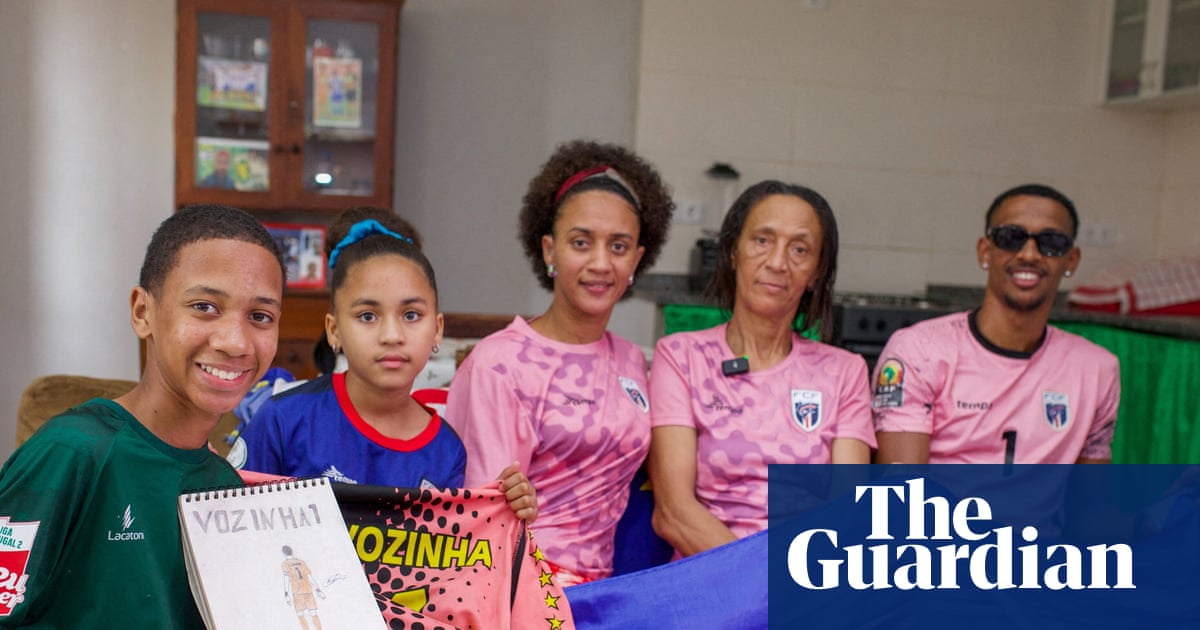
The mother of Cape Verde goalkeeper Vozinha will be able to receive a visa to enter the United States and watch her son play at the World Cup after cost issues prevented her from attending their historic draw against Spain earlier this week, US House Democratic leader Hakeem Jeffries announced Wednesday.
Cape Verde was named by the US government on a list of countries whose citizens must post a returnable bond of $15,000 (£11,200) to travel to the United States, in addition to a visa fee. The Trump administration last month dropped the requirement for World Cup ticket holders, but by that point the high costs had ruled out the trip for Ana Candida Evora, the mother of Cape Verde’s 40-year-old goalkeeper.
Jeffries said Wednesday that the visa fees have been waived and Evora will be able to attend Cape Verde’s next match against Uruguay on Sunday in Miami. He thanked Marco Rubio, the US secretary of state, and the state department for their efforts.
“Cape Verdeans in America and throughout the diaspora have been celebrating the underdog grit and resilience of the Blue Sharks, joined by soccer fans from nations throughout the globe,” Jeffries said in a statement. “That joy was tempered a bit when Vozinha tearfully revealed that his own mother was unable to watch her son’s iconic performance in person due to visa complications. No mother should miss the chance to see her child make history.
“Upon learning of this development, I spoke with Secretary of State Marco Rubio and asked the State Department to do everything in their power to ensure that his mother can attend Cabo Verde’s next match. It is a privilege to announce that Vozinha’s mom will be able to secure a visa in time to attend their game this Sunday against Uruguay. All fees have been waived consistent with official policy. Travel arrangements are now being made for mother and son to reunite in Miami. I thank Secretary Rubio, US State Department officials, the government of Cabo Verde and Fifa for working together to make this possible.”
Vozinha, 40, is Cape Verde’s most beloved footballer and has been their starting goalkeeper for 13 years. He has been a breakout star of this World Cup, helping to earn his country’s first-ever point and accumulating millions of new followers on social media.
“I cried because I grew up with my grandparents and unfortunately they were not here; they died a few years ago,” he said after Monday’s result. “They were everything for me, for my life. I also cried because my mum didn’t manage to be here because of the visa. Because of the money we had to pay for the visa, we didn’t manage to [get it done] on time. I would like her to be here, but I’m also very happy.
“I have worked my whole life for this moment. I’m 40 years old. I started playing football professionally when I was 25, in 2012. I thought about leaving but I continued because of this dream. This is for everyone. I was named man of the match but this is for all of my teammates because without them nothing would be possible. I will continue to work for Cape Verde and for the people.”
The Associated Press, citing a person familiar with the situation, reported that the state department believes Evora did not apply for a visa because she did not hold a valid Cape Verde passport, but that she is now in the process of getting one.
Evora, a 59-year-old house cleaner, told Reuters that she watched the match from home in São Vicente, one of Cape Verde’s 10 main islands.
“I said that no ball would enter his goal, and that is exactly what happened,” she said. “He is a great goalkeeper. I am very proud to be Vozinha’s mother, and I hope he continues to save every ball that comes his way.”
The World Cup viewed from afar is more like ambient noise – a far cry from working at it | World Cup 2026 | The Guardian
Keyword – Football
Trefwoorden – World Cup 2026, World Cup, Football, Sport
Title – The World Cup viewed from afar is more like ambient noise – a far cry from working at it | World Cup 2026 | The Guardian
Author – https://www.theguardian.com/profile/jonathan-liew
Link – The World Cup viewed from afar is more like ambient noise – a far cry from working at it | World Cup 2026 | The Guardian
Publish date – 2026-06-18T07:00:04.000Z
Category – Sport
URL – https://www.theguardian.com/football/2026/jun/18/world-cup-viewed-from-afar-like-ambient-noise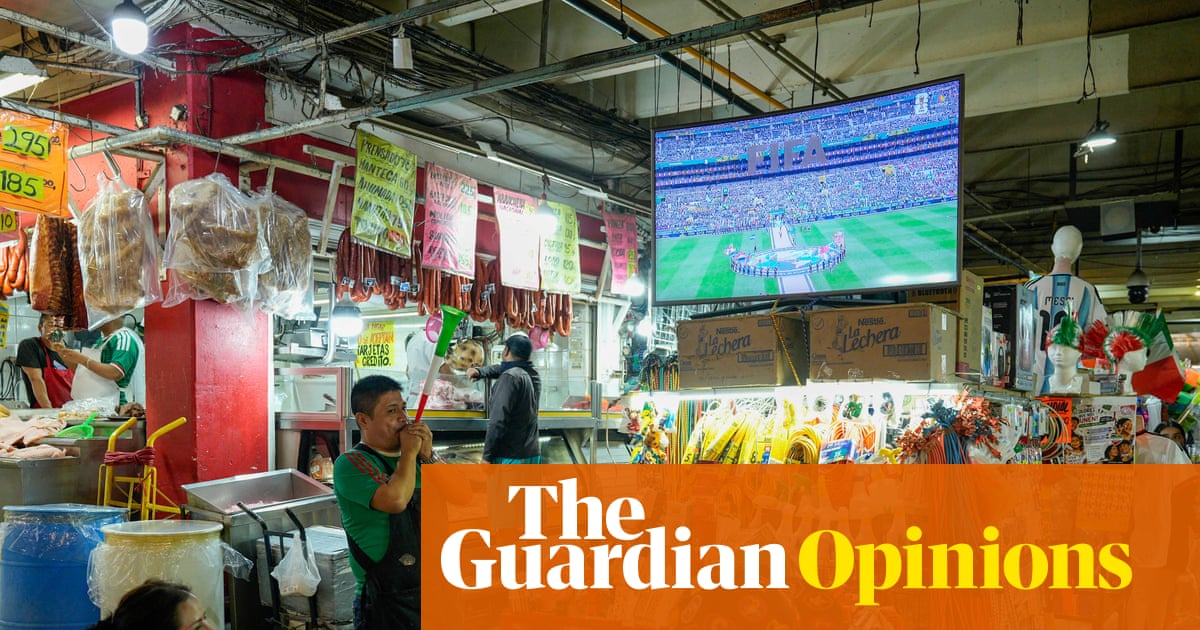
I fell asleep at some point during the Netherlands v Japan game. It had been a hot and drowsy day by the shores of Lake Annecy, a square and heavy heat, where the sun and the driving and the food and the boxed wine gently squeeze all the life from your body, like air being pressed out of a juice carton.
I remember Virgil van Dijk angling a header into the far corner, and when I came to it was 2-1, and everyone was heading to bed, drunk on tiredness, drunk on life, drunk on drink.
Not all of my friends care for football in any case, and so the World Cup had become a kind of mood music, something to fill the silences in conversation. Through the long and meandering chat about home renovations and Andy Burnham, an indistinct French voice occasionally cut through from a different universe. Maeda. Gravenberch. The Low Countries tempted to attain the final for the first time since 2010. My French isn’t great. Someone prised open a bottle of Heineken. Bodies draped themselves over the couch, fingers scrolled through phones, the immaculate decadence of boredom.
I did manage to stay awake for Belgium v Egypt , albeit remembering very little beyond Romelu Lukaku forcing an own goal and the sight of Mohamed Salah sauntering regally around the place, like a PE teacher desperately willing himself not to get involved. But I do remember getting a couple of beers out of the fridge at the second hydration break and challenging Ed to a game of chess, which I lost. Lukaku, of Naples. The Belgians will take confidence from this and pursue the victory . An overwhelming knight‑and-queen attack down my a-file. Ssssake, Ed’s forgotten to tap his clock again. Not telling him next time.
You will read a lot about the World Cup from people who are actually there. This is probably for the best. It is, on balance, preferable to attend something in order to understand it, be it a major football tournament or a sentencing hearing. But I wanted to convey the sensation of the World Cup as most people around the world experience it: as an ambient noise, voices ghosting in from the next dimension, flickering shapes on a distant screen, an odour and a flavour on the breeze, vivid dreams of Steph Houghton talking about “the front-footedness of the press”. The sensation of waking up and feeling like you watched the entirety of Iran v New Zealand , even though you didn’t. The fragile way in which World Cups measure out our lives, some fragrant cocktail of collective and personal memory all swirling into one.
Everyone will have a story like this. I watched the 2006 final – Italy v France – at a seafood restaurant in Hvar, in the Croatian islands. It was one of those giant televisions on a stand, the kind they used to wheel into science lessons at school to show you videos about gametes. I missed Zinedine Zidane’s butt because the waiter was standing in front of the screen. And although I have watched the game in full many times since, if you ask me to pick out the overriding memory of that evening I am still more likely to recall the tenderness of the monkfish than anything that happened on the pitch.
Then I started covering World Cups for work, an entirely different and more immersive experience. Very quickly you fuse into the tournament, to the point where you are basically an extension of it, a slave to its rhythms and moods. From the moment you wake to the moment you go to bed (far too late), your entire nervous system is built around the game schedule, the reliable drumbeat of regimented kick-off times, ideas and angles, content and deadlines. You spend the rest of the time thinking about transport or food. When I get home my smartwatch will typically show that my resting heart rate has been about 10-20 beats above normal for an entire month. People visibly age during these things. It’s like going to war.
During the many breaks in play at this year’s tournament, the camera will inevitably pan across the crowd, and here the difference between World Cup football and regular football is perhaps at its most distinct. Everyone is dancing and putting their thumbs up. Nobody is having a bad time. Nobody is protesting or chanting about sacking the board or even hurling abuse at the referee except in the most performative way. Under most circumstances, to attend a football game – and what elevates this art form above, say, a gig or a blockbuster movie – is to submit willingly to the possibility of misery: your team can lose, the game can be terrible, your weekend can be ruined. But when you have paid £800 for a ticket, and probably many multiples of that on hotels and flights, is it remotely conceivable that you could allow yourself not to be entertained? How would you even admit it to yourself?
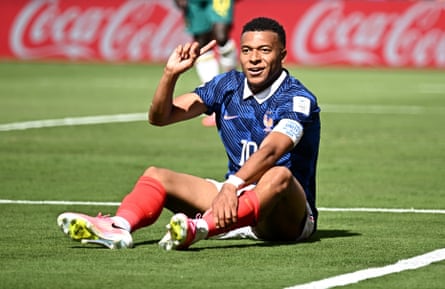
By contrast, television grants us the freedom to detach. The freedom to allow football to swim in and out of our consciousness, to fill the gaps in life, rather than life the gaps in football. The freedom to be bored, pleasantly bored, decadently bored. To go for a smoke, to get a round in, to go to bed. In Talloires, a little resort in the Haute-Savoie, the bars and restaurants advertise “Coupe de Monde” on wooden chalkboards, the greatest sporting event in the world as an accompaniment to dinner, in between cheese and dessert. The G7 summit is taking place just up the road in Évian and as the sun sets helicopters fly low over the lake, a reminder of football’s basic transigence, its mutability, the extent to which – for all its airs and graces – the world continues to spin around it.
How luxurious it is to drink boxed wine and half‑watch football as the world burns and blisters. To rail at refreshment breaks and the decision not to award a penalty to Kylian Mbappé, to see these 104 games spread out across the Americas like a lustrous map and not feel the need to watch all of them, or indeed any of them. To see this World Cup for what it truly is: utterly gripping at times, diverting at others, disposable for the most part. A kind of beautiful human-made slop, the flower arrangement at the gates of hell.
Côte d’Ivoire FA says Elye Wahi allowed to travel to Canada amid fixing investigation | Côte d’Ivoire football team | The Guardian
Keyword – Football
Trefwoorden – Côte d’Ivoire football team, World Cup 2026, Match-fixing, World Cup, Football, Sport
Title – Côte d’Ivoire’s Wahi denied Canada visa for World Cup match amid fixing investigation | Côte d’Ivoire football team | The Guardian
Author – Associated Press
Link – Côte d’Ivoire’s Wahi denied Canada visa for World Cup match amid fixing investigation | Côte d’Ivoire football team | The Guardian
Publish date – 2026-06-18T11:59:29.000Z
Category – Sport
URL – https://www.theguardian.com/football/2026/jun/18/elye-wahi-cote-d-ivoire-canada-entry-visa-world-cup-2026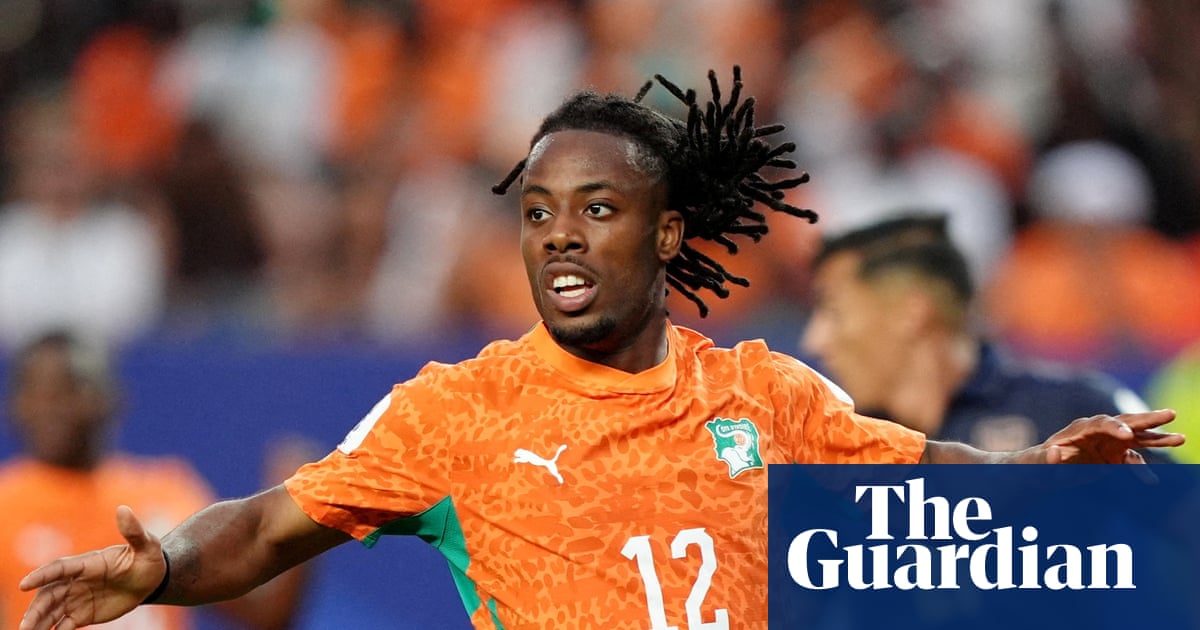
The Côte d’Ivoire striker Elye Wahi, who is being investigated for alleged fixing, has not been authorised to travel to Canada for his team’s World Cup match against Germany, the Côte d’Ivoire football federation (FIF) said on Thursday.
The FIF said Wahi would not be able to travel with the squad for Saturday’s game in Toronto because “the necessary administrative authorisations for his entry into Canadian territory could not be obtained at this stage”.
Wahi started for Côte d’Ivoire when they beat Ecuador 1-0 in their opening game in Philadelphia on Monday. He will remain in the United States pending the team’s return, the FIF said.
The French football league said on Wednesday that an “unusual amount of bets” were placed internationally on Wahi receiving a yellow card during a Ligue 1 game with Nice in May. It was alerted by partners monitoring betting markets about suspicious activity at international level concerning Nice’s home game against Metz on 17 May, which ended 0-0, and in which Wahi was shown a yellow card. The French league said it passed this information to relevant police and gambling authorities, as well as to the French football federation.
The Marseille prosecutor’s office said: “A 23-year-old professional football player, competing in France’s Ligue 1 championship, was arrested on 29 May 2026 as part of their investigation.”
The office added: “The investigation concerns alleged offences of organised fraud, organised sports corruption, receiving stolen goods, and money laundering.” The player was questioned while in police custody and released without being detained. The office added the investigation was ongoing.
Wahi’s representatives did not immediately respond to requests for comment.
The FIF said it had not been officially notified “of any judicial or administrative proceedings” concerning Wahi. “During this particularly delicate period, the FIF offers its full support to the player and reaffirms its confidence in him. Elye Wahi remains an important member of the Côte d’Ivoire national team.”
Wahi joined Nice on loan from Eintracht Frankfurt in January and scored nine goals in 19 games, helping Nice reach the French Cup final.
We would like to hear your memories of the Major oak in Sherwood Forest | Trees and forests | The Guardian
Keyword – Environment
Trefwoorden – Trees and forests, Environment
Title – We would like to hear your memories of the Major oak in Sherwood Forest | Trees and forests | The Guardian
Author – https://www.theguardian.com/profile/guardian-community-team
Link – We would like to hear your memories of the Major oak in Sherwood Forest | Trees and forests | The Guardian
Publish date – 2026-06-18T08:56:26.000Z
Category – News
URL – https://www.theguardian.com/environment/2026/jun/18/we-would-like-to-hear-your-memories-of-the-major-oak-in-sherwood-forest
The Major oak, one of Europe’s oldest, largest and most celebrated ancient trees, which has grown in Sherwood Forest in Nottinghamshire , England, for at least 1,000 years, has died.
The huge tree failed to produce any leaves this year, after becoming stressed by a series of hot, dry summers. Footfall from visitors admiring the oak and well-intentioned historical interventions have also not helped its longevity.
Thousands of visitors admire the oak each year. Were you one of them? We would like to hear your memories of the Major oak. What did it mean to you? What are your thoughts on its demise?
Donald Trump’s Iran deal met with anger, relief and incredulity | US-Israel war on Iran | The Guardian
Keyword – World news
Trefwoorden – US-Israel war on Iran, Israel, Benjamin Netanyahu, Donald Trump, Trump administration, US foreign policy, Iran, Strait of Hormuz, Middle East and north Africa, US politics
Title – Donald Trump’s Iran deal met with anger, relief and incredulity | US-Israel war on Iran | The Guardian
Author – https://www.theguardian.com/profile/jonathan-yerushalmy
Link – Donald Trump’s Iran deal met with anger, relief and incredulity | US-Israel war on Iran | The Guardian
Publish date – 2026-06-18T03:32:15.000Z
Category – News
URL – https://www.theguardian.com/world/2026/jun/18/donald-trump-iran-deal-reactions-anger-relief-incredulity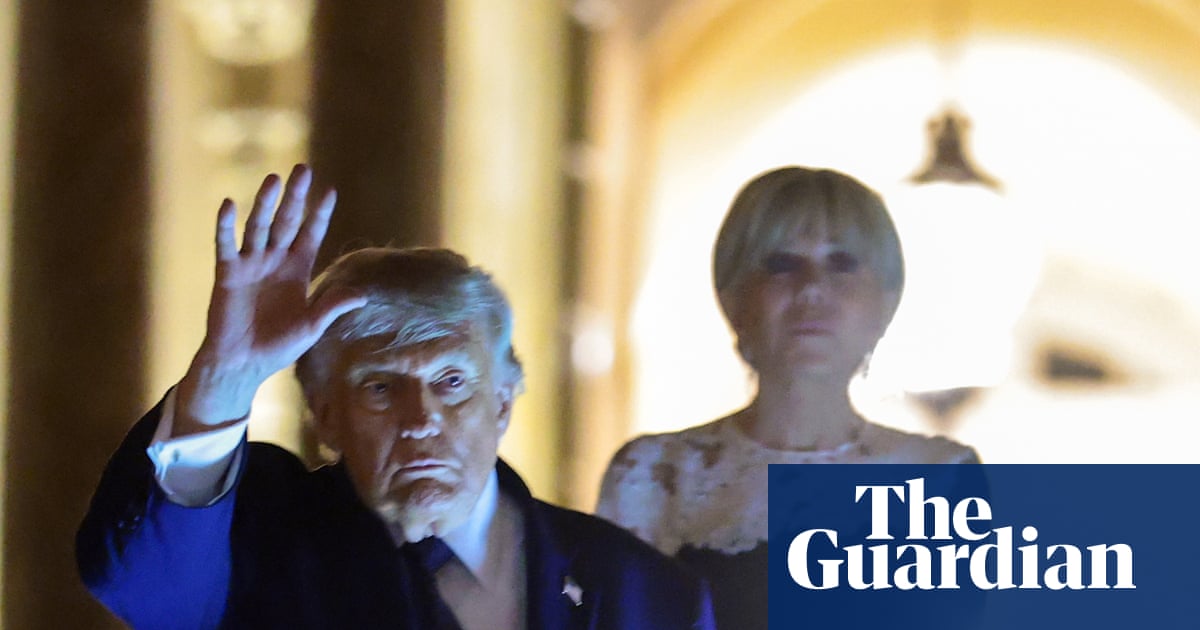
Pakistan’s prime minister has hailed the “peaceful resolution” of the conflict between the US and Iran , while congratulating the leadership of both countries for signing an agreement that he claimed would immediately reopen of the strait of Hormuz.
But amid the celebrations from Shehbaz Sharif – who has served as mediator for the deal – the release of the memorandum of understanding (MOU) that gets the ball rolling on the next 60 days of negotiations between Iran and the US, has proven more divisive, eliciting a mixture of outrage, bewilderment, and relief.
In France, the leaders of the G7 countries welcomed the deal , calling it a “historic opportunity to prevent Iran from acquiring any nuclear weapon.”
European leaders have largely been sidelined from the negotiations, but expressed relief that the strait of Hormuz would reopen, allowing the flow of oil to resume. Emmanuel Macron said it would put a stop to a “situation of great instability that had terrible consequences for our economies”.
In Israel , however, the agreement has been greeted with less optimism.
Mark Regev, a former senior adviser to prime minister Benjamin Netanyahu , questioned how seriously Iran would approach negotiations over its nuclear program, now that America has removed the economic and military “pressure”.
Under the terms of the MOU , Iran will reopen the strait of Hormuz, and in return receive waivers for US sanctions on crude oil exports, petroleum products and associated banking services. They will then enter into negotiations over the fate of their nuclear program and stock of highly enriched uranium.
“The straits are open and the Iranians can start exporting their oil, and therefore they get money coming in, you’ve taken away the economic pressure,” said Regev, adding “maybe Trump will get a great deal … but at the moment I don’t see that. I see America having given Iran’s regime a return to life.”
Regev’s views were reflected across Israel.
Yair Lapid, the leader of Israel’s opposition, said on Tuesday, “Netanyahu promised us a historic victory – and we got a crisis with the Americans, Hormuz open to the Iranians, money for the Revolutionary Guards, ballistic missiles aimed at Israel, and Israel waiting in the corridor like a scolded child.”
With Israel set to hold elections before October, Lapid and his coalition partner Naftali Bennet, are seeking to capitalise on the anger brewing in Israel over the agreement between the US and Iran.
Trump, who has previously enjoyed high approval among Israelis, is facing widespread criticism in local media. David Horovitz, the founding editor of the Times of Israel, wrote on Wednesday that the US-Israel war on Iran was lost due to “US presidential weakness”, among other issues.
“It will come back to bite America. It leaves Israel more vulnerable than before the war began, with a new US-Iran ceasefire agreement that aims to deny Israel the freedom to protect and defend itself,” he wrote.
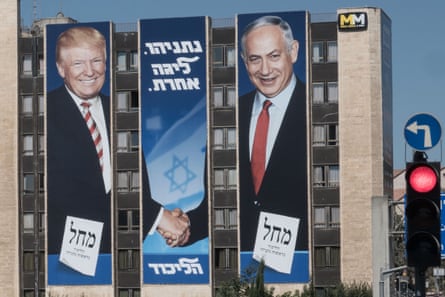
Netanyahu’s Likud party, apparently aware of the cooling views on the US president, has reportedly scrapped plans to highlight the prime minister’s close ties with Trump in its upcoming election campaign.
Not all voices were speaking in opposition to the agreement though; Danny Citrinowicz, a former head of the Iran branch of Israeli military intelligence, said the deal showed reality had “finally returned to US policy on Iran”.
“Before events spiraled completely out of control, the US administration stepped back from maximalist objectives and returned to a more measured and realistic approach,” Citrinowicz wrote on Wednesday.
Those same splits in opinion were reflected in the US .
The Republican senator Lindsey Graham, a key Trump ally, appeared to soften his view of the MOU after a “very lengthy and productive” conversation with the US special envoy Steve Witkoff.
“After this discussion, it is my opinion that signing the MOU will be beneficial to the United States, in as much as the strait of Hormuz will begin to open, and the hostilities with Iran will stop,” Graham wrote on social media.
“Whether or not the United States can reach an acceptable, verifiable deal with Iran regarding its nuclear program and other issues is yet to be determined, but I see little downside to trying.”
A handful of other Senate Republicans were more critical in their views . Bill Cassidy, who Trump failed to back in a tightly fought primary last month, said “Iran’s nuclear ambitions were not curbed, and they have learned that threatening the strait of Hormuz works and will undoubtedly leverage it in the future.”
Senator Ted Cruz, who has backed the war, said the president was getting “very poor advice when it comes to this deal”.
Susan Rice, a former official in the Obama and Biden administrations was more blunt in her assessment, calling it “the biggest national security blunder in decades”, while Democratic Senator Adam Schiff said it was “hard to imagine a more thorough capitulation.”
“Iran gets sanctions relief, the release of frozen funds, the ability to export oil, and a $300 billion reconstruction fund. The U.S. gets a reiteration of the vague promise Iran won’t develop a nuke.”
Trump himself hailed the agreement as a “major win” for the United States, while Iran’s chief negotiator, Mohammad Ghalibaf called it “a record of US failure”. Trump signed the agreement on Wednesday and soon after, Iran announced that its president, Masoud Pezeshkian, has also signed it in Tehran.
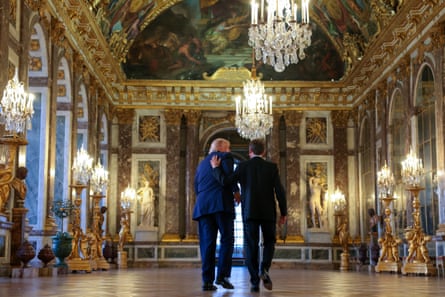
Trump signed during a dinner with Macron at the palace of Versailles, the site of the 1919 agreement which formally ended the conflict between Germany and allied powers after the first world war. The outcomes of that agreement were short lived, and Europe was again consumed by war just 20 years after it was signed.
What did Ukraine target in Moscow and how significant was the drone attack? | Russia | The Guardian
Keyword – World news
Trefwoorden – Ukraine, Russia, Europe, World news, Drones (military), Oil, Vladimir Putin
Title – What did Ukraine target in Moscow and how significant was the drone attack? | Ukraine | The Guardian
Author – https://www.theguardian.com/profile/pjotr-sauer
Link – What did Ukraine target in Moscow and how significant was the drone attack? | Ukraine | The Guardian
Publish date – 2026-06-18T13:58:33.000Z
Category – News
URL – https://www.theguardian.com/world/2026/jun/18/what-did-ukraine-target-in-moscow-and-how-significant-was-the-drone-attack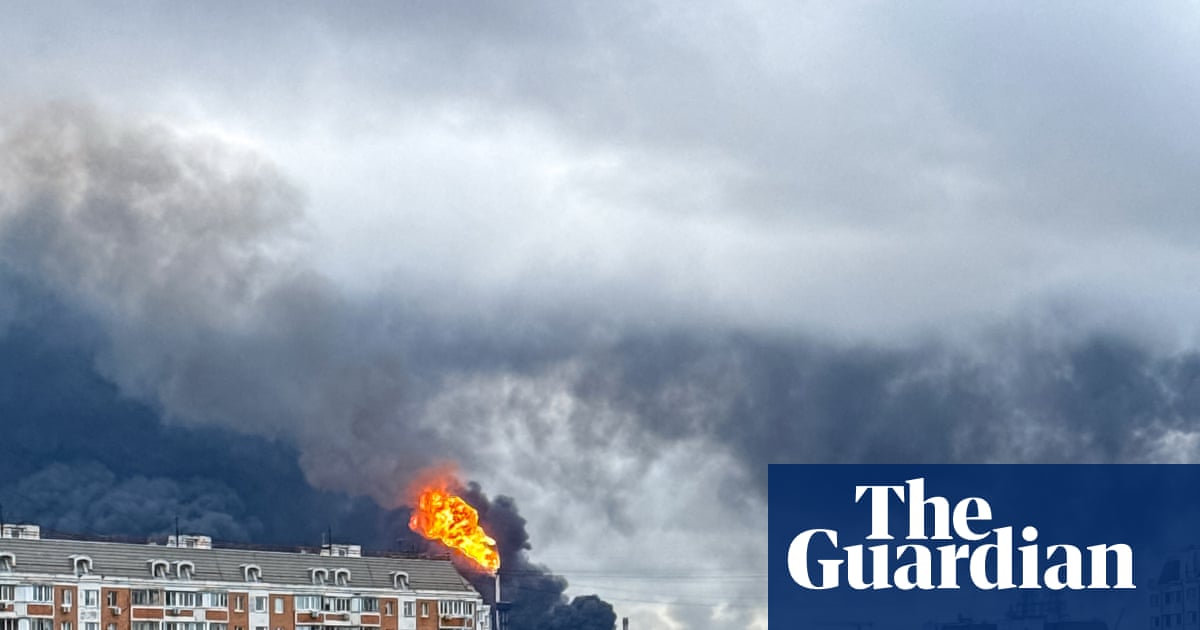
Ukraine hit Moscow with nearly 200 drones in its largest-ever attack on the capital on Thursday, striking a Russian oil refinery and sending huge plumes of smoke billowing over the city’s south.
The towering plumes of smoke rising above Moscow offered a stark demonstration of Ukraine’s growing ability to strike deep inside Russia with its increasingly sophisticated, largely domestically produced long-range drones.
What was hit?
The main target was the major oil refinery in Moscow’s Kapotnya district on the capital’s south-eastern edge, which had already come under attack earlier this week. Footage shared online showed a fuel tank detonating, sending part of its roof soaring into the air before flames engulfed one of Moscow’s most important energy facilities.
The refinery supplies up to 40% of the capital’s petrol and around half of its diesel fuel. At least one high-rise residential building, an industrial facility and several private homes were also damaged in the attack, with Russian authorities reporting 17 injuries.
How did Ukraine do it?
Ukraine frequently launches drone attacks against Moscow, but the vast majority are intercepted by the capital’s extensive air-defence network, the densest in the country. This time was different.
The sheer scale of the attack appears to have strained Russian air-defence systems. Videos circulating online showed Ukrainian drones flying over the Russian capital largely unchallenged, suggesting some were able to penetrate Moscow’s layered defences.
Footage circulating online also showed a Russian operator with a shoulder-launched Manpads missile system scrambling to shoot down a Ukrainian drone moments before it struck the Moscow oil refinery.
The mix of weapons used may also have played a role. Alongside conventional long-range strike drones typically deployed against targets deep inside Russia, Ukraine appears to have employed jet-powered missile drones during Thursday’s attack on the Moscow refinery and other sites around the capital.
Kyiv publicly unveiled several such missile-drone systems in late 2024 and early 2025, including the Bars hybrid drone-cruise missile, which was used in the strike. Faster and more difficult to intercept than conventional propeller-driven drones, they pose a growing challenge for Russian air defences .
Moscow also faces constraints in how it deploys its air-defence systems. Interceptors that miss their targets, or falling debris from destroyed drones, can pose a serious risk in a city densely packed with high-rise apartment blocks, raising the prospect of significant civilian casualties.
What are the lasting effects?
By targeting a key oil refinery, Ukraine hopes to bring the consequences of the war closer to ordinary Russians. Previous attacks on energy infrastructure have led to fuel shortages in parts of the country, most notably in Russian-occupied Crimea, where residents have spent hours queueing at petrol stations. Much will depend on the extent of the damage to the refinery, Russia’s ability to redirect fuel supplies from elsewhere, and Ukraine’s capacity to sustain further strikes.
But arguably the greater impact will be psychological. For the first time since Russia’s full-scale invasion of Ukraine, many Muscovites could look out of their apartment windows and see smoke rising over the capital.
Russian social media was flooded with videos of residents reacting to the strikes. In one widely shared clip, a woman could be seen in tears. “The war is here,” she said. “My windows are shaking. The air is dark and smells of smoke.”
Residents of Balashikha, a town east of Moscow, described a “black rain” after the refinery strike, sharing photographs of cars, streets and buildings coated in a dark, oily residue.
Taken together, the apocalyptic images served as a stark reminder that, despite years of war, Moscow and its suburbs are no longer insulated from the conflict and are increasingly a part of it.
How will Putin respond?
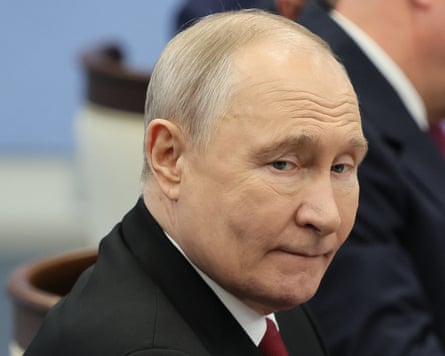
Vladimir Putin, who is attending a summit with several Asian leaders in Kazan, has yet to comment publicly on the strike. The Russian president typically avoids addressing sensitive developments immediately, preferring to leave initial responses to officials and state media.
Russian hardliners, however, were quick to react. Several influential nationalist figures took to social media to demand retaliation, with some even urging the Kremlin to consider the use of nuclear weapons against Ukraine.
The most likely response, however, is a renewed wave of large-scale missile and drone strikes on Ukrainian cities. In the past, Moscow has frequently answered high-profile attacks on Russian territory with barrages targeting urban centres across Ukraine, often resulting in significant civilian casualties.
Mexico military brings down drone near South Korea World Cup training camp | South Korea | The Guardian
Keyword – Football
Trefwoorden – South Korea, World Cup 2026, World Cup, Football, Mexico, Sport
Title – Mexico military brings down drone near South Korea World Cup training camp | South Korea | The Guardian
Author – Associated Press
Link – Mexico military brings down drone near South Korea World Cup training camp | South Korea | The Guardian
Publish date – 2026-06-18T06:24:48.000Z
Category – Sport
URL – https://www.theguardian.com/football/2026/jun/18/mexico-south-korea-drone-training-world-cup-2026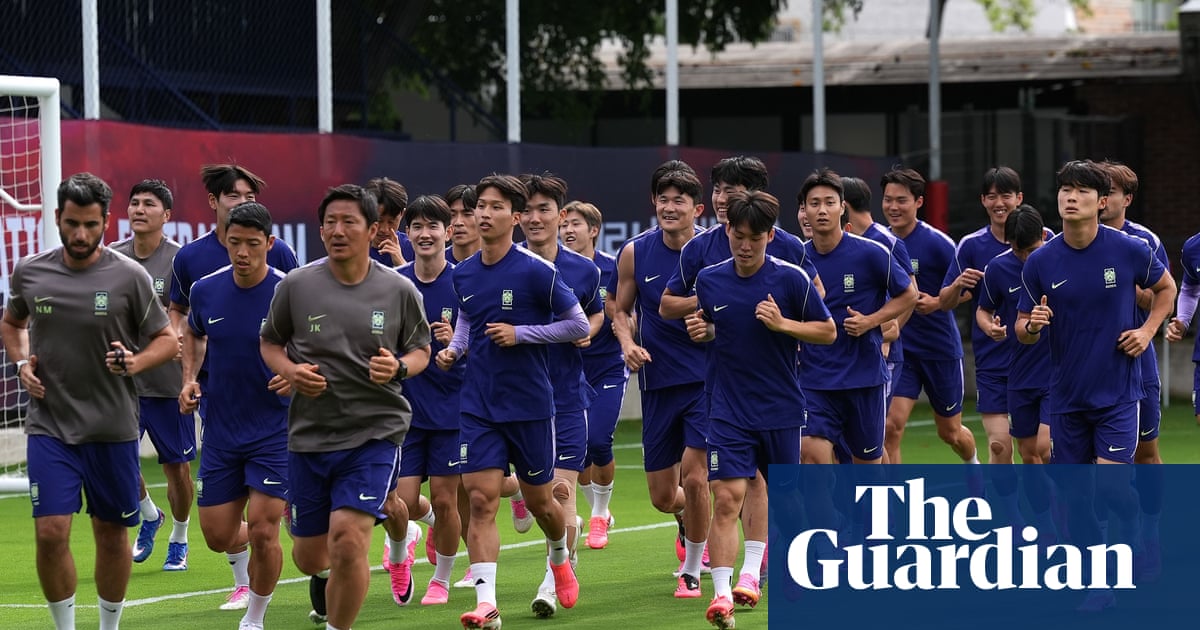
Mexican military forces intercepted and brought down a drone that flew near the South Korea team’s training camp as they prepared for their World match against the co-hosts. Military forces used specialised equipment to detect an “unregistered drone” near the camp, prompting them to “neutralise” it, a Mexican federal agent said.
Mexico won their opening Group A match at the World Cup last week while South Korea beat Czechia the same day.
It was not clear if the drone was trying to spy on the South Korean team and the coach, Hong Myung-bo, said: “During our training, there was a drone in the sky,” he said. “But fortunately, it was right before we practised our tactics, so it did not impact us. But while we were preparing for the match, that was the most important timing, so what happened was unfortunate.”
The official did not say when the incident occurred or whether any arrests were made. He said several drones had been neutralised in recent days after attempting to enter security zones around stadiums in Mexico City, Guadalajara and Monterrey – the tournament’s three host cities in Mexico – as well as team base camps and fan festivals.
In March, Mexican authorities announced a World Cup security operation known as “Plan Kukulkán,” involving about 100,000 personnel from federal and local military and police forces. The plan includes early warning systems, security measures at stadiums, airports, roads and hotels and protection protocols for teams, officials and fans.
In Canada, authorities have banned unauthorised drones from flying over World Cup stadiums and several training sites in Vancouver and Toronto as a security measure. The restrictions remain in effect until 7 July – the date of the last game scheduled to be staged in the country.
In 2024, the Canada women’s team was accused of using a drone to spy on a New Zealand training session leading up to their opening match at the Paris Olympics. The scandal led to the suspension of two members of the coaching staff and the head coach Bev Priestman, who was subsequently dismissed by Canada Soccer . Canada – the reigning Olympic champions from the Tokyo Games – were deducted six points from their group standings in France.
Canada Soccer determined the incident was not an isolated error, but part of a pattern of insufficient oversight within the national teams .
Rachel Roddy’s recipe for focaccia sandwiches with mortadella and parmesan cream | Food | The Guardian
Keyword – Food
Trefwoorden – Food, Italian food and drink, Bread, Sandwiches, Sausages, Meat, Snacks, Cheese, Pork
Title – Rachel Roddy’s recipe for focaccia sandwiches with mortadella and parmesan cream | Food | The Guardian
Author – https://www.theguardian.com/profile/rachel-roddy
Link – Rachel Roddy’s recipe for focaccia sandwiches with mortadella and parmesan cream | Food | The Guardian
Publish date – 2026-06-18T05:00:03.000Z
Category – Lifestyle
URL – https://www.theguardian.com/food/2026/jun/18/focaccia-sandwiches-mortadella-parmesan-cream-recipe-rachel-roddy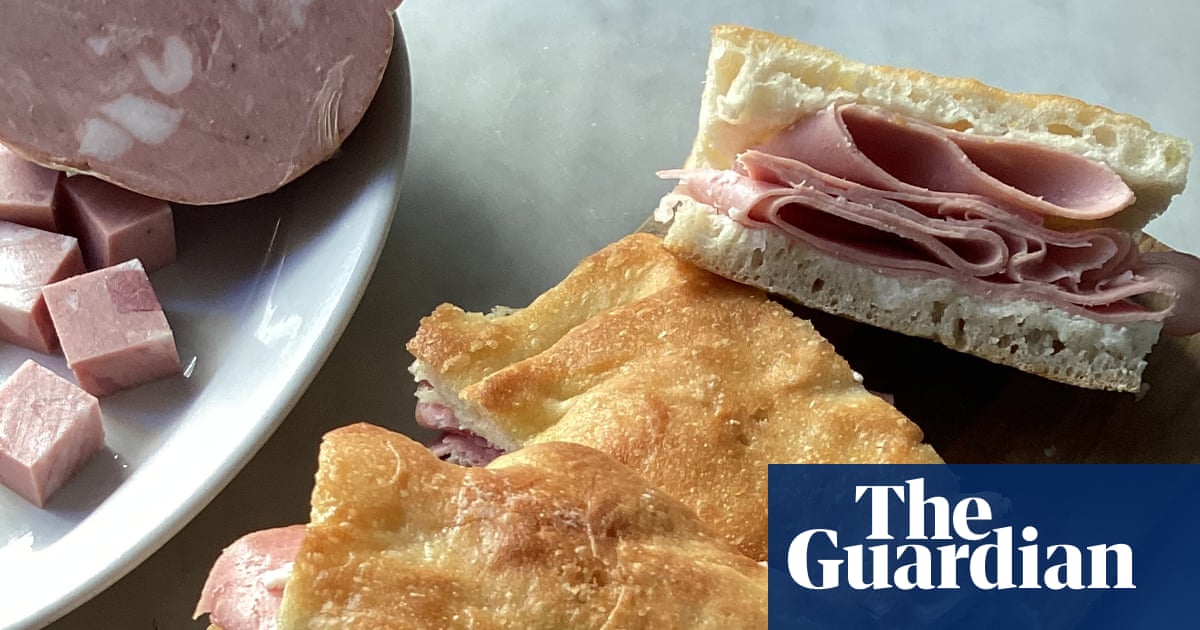
I t’s the time of year when the TV, balanced on the Ikea unit with castors, its feet supported by wooden splints, is wheeled between the kitchen doors so it faces out on to the terrace (flat roof). In the absence of a barbecue or outside shower, the TV is our seasonal shift; an inside object moved outside and, in the process, made (slightly) more exciting. As a result, TV dinners are also altered, as well as given another layer of soundtrack – birds shouting, people chatting in the bar below, the held-down horn of the articulated lorry that can’t reach the supermarket because a car is double parked – to the one coming out of the TV speakers. We also have a table outside, but that changes the nature of a TV dinner too much: the table is moved aside for wooden chairs, tea towels and plates on laps, with focaccia sandwiches with mortadella and parmesan cream for the meat eaters, and parmesan cream, tomato and a handful of green leaves for those who don’t.
Mortadella is considered an insaccati parzialmente cotti , or partly cooked sausage. Its origin is debated, with some suggesting it derives from the object it was pounded in, il mortaio (the mortar); others say the name can be linked back, as is so often the case, to the Romans, and a sausage flavoured with myrtle berries called farcimen murtatum . The dates around when it was first made are also debated, because of a mention of something called mortadella in 12th-century cookbooks, though that was likely made of veal or donkey. The 1600s are a better place to start, when a nobleman and agronomist called Vincenzo Tanara described meat: two-thirds lean from the pork shoulder and leg, cut into large cubes, then transformed through “sharp pounding”, stuffed and cooked at a moderate temperature. Alongside instructions for production, there were strict edicts regulating the labour-intensive processes involved in making luxury products for those who could afford them.
This would change with industrialisation in the 1900s and beyond; machines and the means of processing changed production, demand, expectations and exportation, which saw changes in the quality of the meat and other ingredients, not least the additives required for it to travel and stay Peppa Pig pink. In fact, those permitted additives are tripe, flour, rinds, emulsified ice, egg white, sugar, dried milk, polyphosphates or synthetic flavourings, all of which are noted on the packaging. There are, of course, plenty of producers who have other ideas.
Artigianquality , for example, which is a small producer in the centre of Bologna, uses high-quality cuts of pork from 100% Italian pigs, predominantly from the Bologna region and raised in semi-wild conditions. Half the mix is shoulder, a quarter minced ham and trimmings, and both are pounded to a paste, before neck fat (known as lardelli ) is mixed in. Next comes the seasoning: mace, cardamom, nutmeg, black and white pepper, garlic and whole sea salt flakes. This mixture is then extruded into casings and tied by hand, producing mortadella. The forms are cooked in dry air ovens at a low temperature for 24-28 hours. Their mortadella is antique pink, with a firm texture and delicately spiced scent, and it is best, I think, served cut into cubes, though it’s also wonderful sliced so thinly that it falls in folds on a base of focaccia – I suggest Carlas Tomasi’s recipe in the Guardian archives –and is then spread with parmesan cream.
In a bowl, beat 60g finely grated parmesan with four tablespoons of soft cheese or ricotta, until well blended and creamy; you can also add a dash of milk to loosen the mixture, if you like. Add white or black pepper, salt and nutmeg to taste, then mix again. Split four squares of focaccia or four bread rolls (or eight slices of bread), and spread both sides thinly with the parmesan cream. Lay two slices of mortadella on one half of the bread, then top with the other half of bread. Repeat with the remaining bread.
Ever since visiting his shop in north London, I can’t make a focaccia sandwich without thinking of Max Halley of Max’s Sandwich Shop fame, and what sort of crisp he would include in any particular mix. He suggests ready salted Kettle Chips, and I suggest putting the crisps in a bowl and the bowl on a small table with wheels, so it can be pushed between chairs and everyone can add the amount they wish.
Focaccia sandwiches with mortadella and parmesan cream
Makes 4
60g parmesan , finely grated 4 tbsp soft cheese or ricotta Black or white pepper Salt Nutmeg 4 squares focaccia , or 4 bread rolls, or 8 slices of bread 8 slices mortadella
Beat the grated parmesan and soft cheese or ricotta in a bowl until well blended and creamy; add a dash of milk to loosen the mixture, if you like. Add white or black pepper, salt and nutmeg to taste, and mix again.
Split the focaccia or rolls and spread both sides thinly with the parmesan cream. Lay two slices of mortadella on one half of the bread, top with the other half of bread and repeat with the remaining bread, cream and sausage.